Only one day remains in 2024, so what better time for our annual look back on the year that was? This year has been a momentous one, with the presidential campaign and election results looming large—so large, in fact, that we realized that we likely either had to devote this post entirely to discussing it or ignore it all together. We’ve opted for the latter approach, and in so doing inverting the usual theme of our year-end review. The modern 24-hour news cycle often picks up engaging stories as they develop and turns them into major cultural events for days, even weeks, before they ultimately lose relevance and the next flashy story comes along. Many of these turn out to be flashes in the pan, phenomena that seemed all-important at the time but ultimately leave little mark on our own personal memories, let alone the history books to be written in coming decades. In light of this, then, we decided to reflect on some of the events that we are fairly certain will not be remembered in their own right by historians.
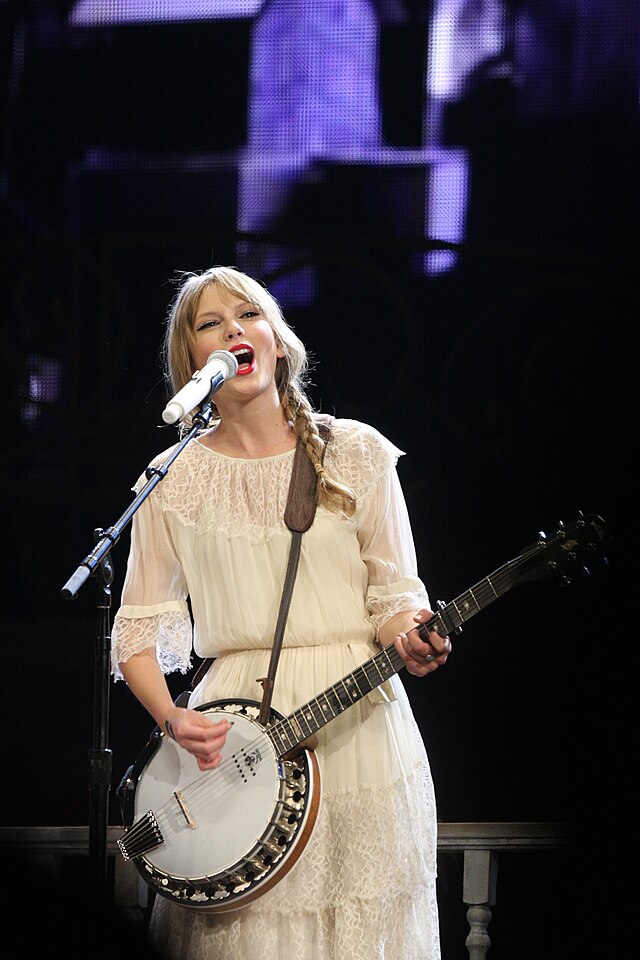 Taylor Swift’s Eras Tour & Her Harris Endorsement
Francis
Before I am criticized for this, let me clarify: Taylor Swift is an incredibly talented songwriter and savvy business woman whose success is titanic. She is often unfairly criticized in the media, as well. Her Eras tour stimulated local economies, may have had a factor in boosting inflationary pressure across the U.S. due to the spending sprees her fans initiated to prepare for her performances, and even set off seismographs. Swifties literally shook the Earth! That said, I do not think Swift’s Eras Tour will demarcate itself as some historically significant entertainment pilgrimage a la George Whitfield’s First Great Awakening preaching circuit in the next half century. Why? Swift will certainly tour again and likely outpace her success with new projects, ideas, and entertainment in the future. Furthermore, to elevate Swift begs further questions about why other mass entertainers — Springsteen, Beyonce, Lady Gaga — are not included in such recent canon. Swift’s staying power in American culture means she will be noted in history as a great entertainer and musician, but not necessarily for the Eras Tour itself. Rest assured to all the fans who could not acquire tickets, there will be another. Similarly, Swift endorsed Democratic presidential candidate Kamala Harris prior to the 2024 Election. Pundits debated whether such an endorsement would spur greater voter turnout among women to vote for Harris. That certainly did not happen. Instead, America basically shook off Swift’s opinion and voted based on their real or perceived economic or social interests rather than what celebrity culture said. Swift’s enduring popularity and Trump’s popular vote and Electoral College victory both speak to the fact that, as much as it may seem like it, the average American voter separated what they like in culture from their choices in the voting booth. It should also be noted that Joe Rogan’s endorsement for Donald Trump probably had the same negligible impact. Most who Swift or Rogan reached with their endorsements probably found confirmation for an electoral decision they’d already made rather than one that they had yet to make.
The Great Drone Panic
Bryan
A late edition to the year, only just in time for this post, has been the strange little coda to 2024 of the New Jersey Drones. Starting in mid-November residents of many states in the northeast, especially New Jersey, reported seeing massive numbers of unmanned drones flying overhead at night. Reactions ranged from wonder to amusement to existential panic as sightings spread, and the culprits were variously identified as the US military, the Iranian military or other foreign actors, and, of course, aliens. The government was strangely unworried about the whole affair, though upon reflection that’s understandable; the sea of twinkling drone lights was in all likelihood mostly mis-identified commercial airplanes and celestial phenomena which were then swelled by the actual drones of amateurs who launched their own craft in an effort to investigate what was going on. The excitement has finally died down now by the final week of the year, and while I’m sure those who were personally involved will use it as a personal touchstone in years to come, and we who were detached from it all might joke about it on the rare occasion the memory surfaces, I’m fairly confident in saying that the Great Drone Panic of 2024 will not be making it into any history books that cover the twenty-first century.
Cancer, Conspiracies, and the British Royal Family
Heather
For devotees of the royal family, 2024 was an emotional year. In January, both King Charles III and Princess Catherine of Wales had planned abdominal surgeries. Official statements shared that the king’s procedure was for an enlarged prostate but pointedly omitted specifics about his cancer diagnosis a week later. The princess’s surgery was kept even more under wraps. As her post-op convalescence stretched into weeks away from the public eye, speculation grew. Conspiracies evolved in March when Kate posted a doctored family photo that was later pulled from distribution. Later that month, an official announcement finally slowed the rumor mill: Like her father-in-law, Kate was being treated for cancer of an undisclosed type. The public responded with an outpouring first of sympathy and later of joy upon the princess’s completion of chemotherapy in September. Fans celebrated again when Buckingham Palace announced that global public appearances would return to normal in 2025. The king’s cancer treatment is ongoing.
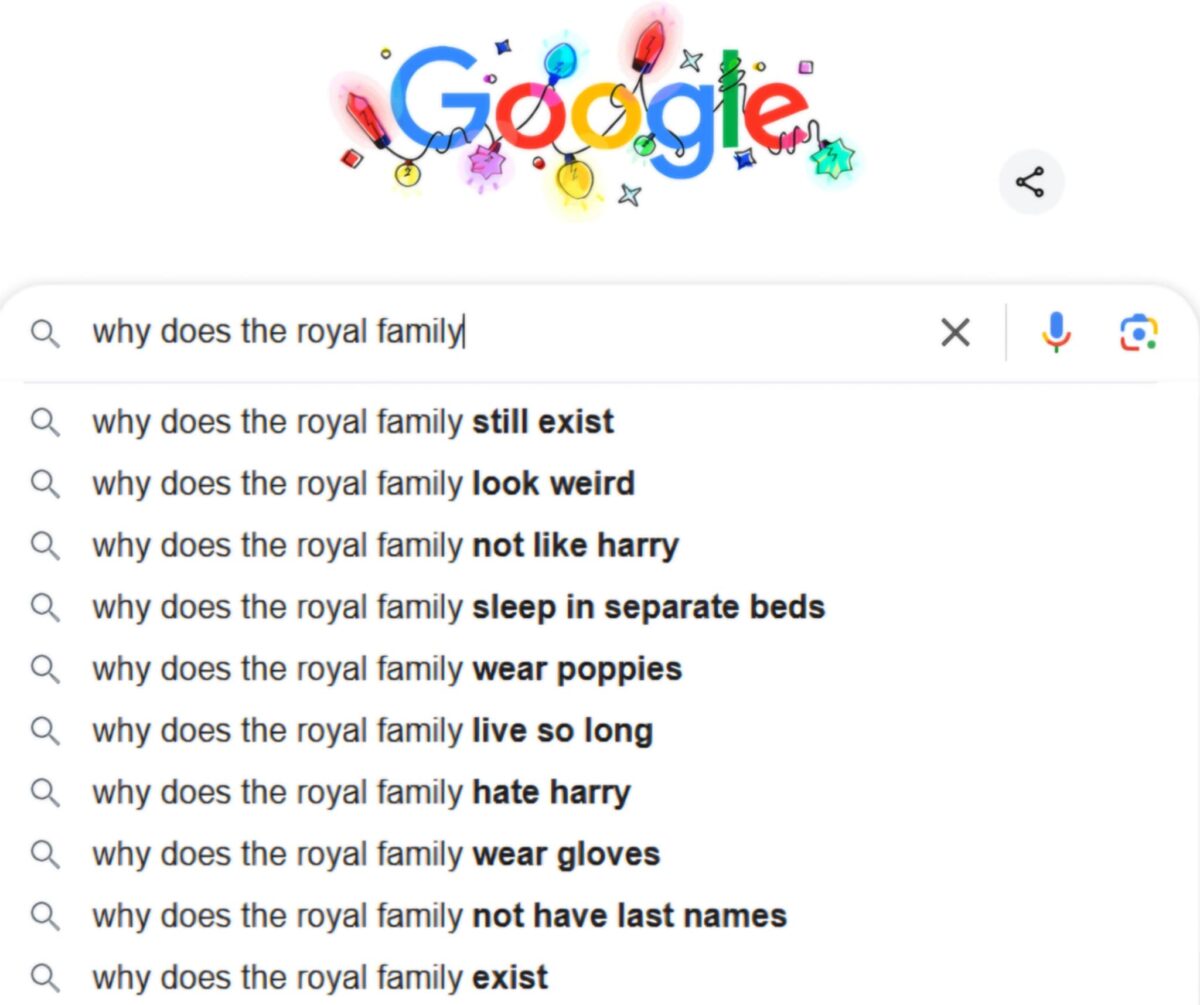
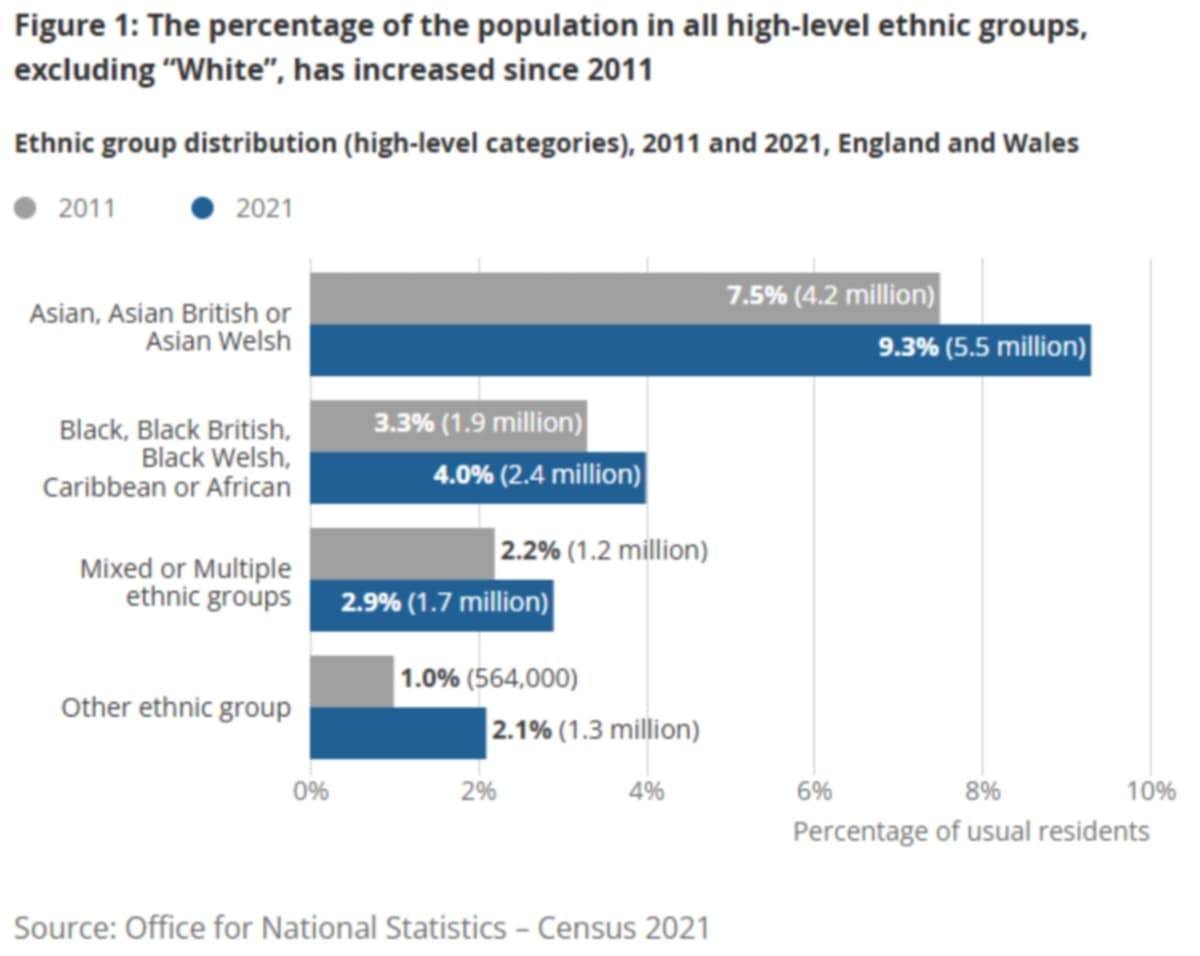 Despite the turbulence of this year’s royal goings-on, this chapter of their story won’t likely feature in historical analyses, save perhaps in royal family monographs. Google query trends for 2000–2022 show a steady climb of public interest in the royal family. But fascination has waned since pandemic boredom and the Megxit scandal sparked the latest surge. Notably, today’s Google algorithm reflects rising public skepticism around the royal family’s value and likeability in its suggested searches. The reason is simple: Juxtaposed against a Great Britain marked by growing racial diversity and wealth inequality, the royal family feels anachronistic. White privilege’s poster children just don’t hold the same appeal as they once did.