by Bryan & Heather
For all that later 21st century history isn’t as covered as other eras, both for ourselves and the public at large, even more ignored may be the history of entertainment both in that period and in general. Every so often a documentary, or documentary series, will come along addressing a specific niche of the myriad forms of media we digest in the modern age; as fans of Stephen Colbert and Jon Stewart, we particularly enjoyed CNN’s 2021 The History of Late NIght in this regard. What we did not expect, however, was to come across a similar special that not only examined the influence of one of America’s most famous television hosts, but made claims to larger historical significance during one of the more pivotal eras of our recent history.
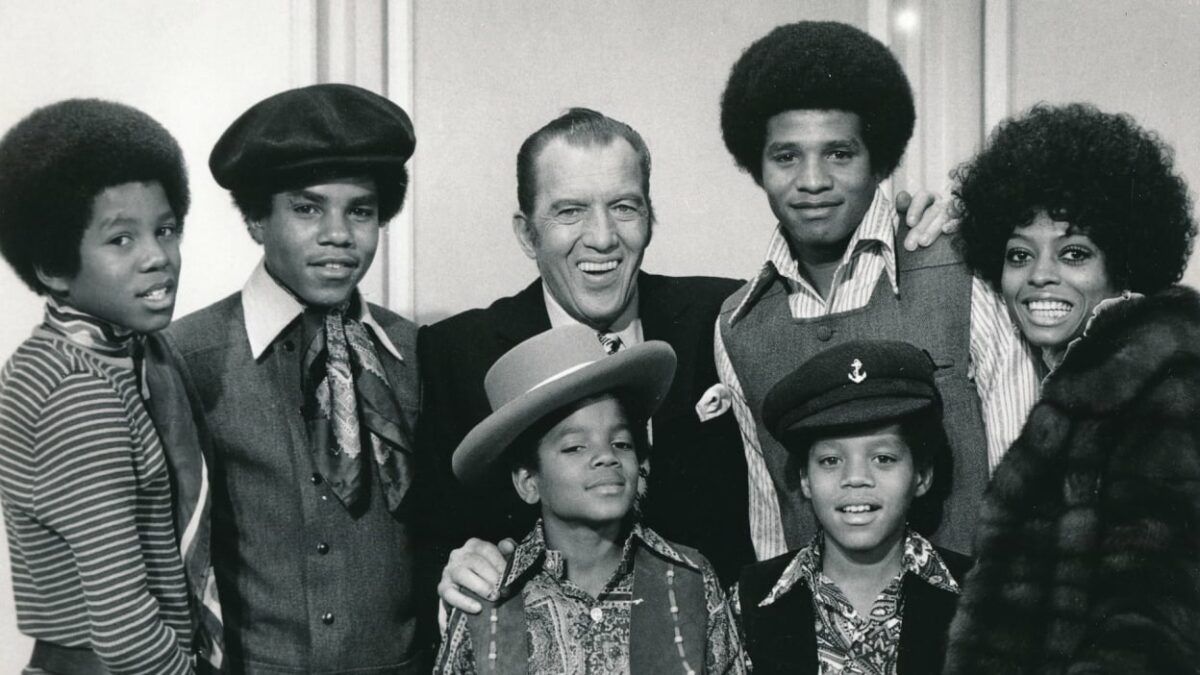
The Netflix documentary Sunday Best tells the story of media giant Ed Sullivan, host of The Ed Sullivan show which ran from 1948 to 1971. Sullivan’s show played host to some of the most iconic pop culture moments of all time, most notably the first appearance of The Beatles on American television. Plentiful footage from the show, combined with interviews of performers still living and narrated by Sullivan himself—words taken from his own writings and interviews, voice recreated through artificial intelligence—conducts viewers through half a century of media landscape and Sullivan’s evolution from newspaper columnist to host to elder statesman. All throughout, his uncompromising morality takes center stage, especially as he repeatedly criticized segregation and used his platform and, ultimately, power to magnify black voices and host artists of every color regardless of what network executives thought would be the safer, more lucrative alternative. In so doing, not only does Sunday Best show how the civil rights movement encompassed much more than bus boycotts and marches, but questions the idea that slow, measured change that respects the feelings of bigots is preferable to pursuing the correct moral course.
The problem is that while this narrative style could clearly establish the progression of events, Sullivan’s motivations, and apparent outcomes, it could not truly explore deeper than surface-level context or offer any analysis about why these events occurred the way they did. We never hear whether the show’s numbers dipped at all, or by how much, when Sullivan hosted controversial black figures; we just know that it wasn’t financially impacted enough for there to be any repercussions. We also don’t know to what extent appearing on the Ed Sullivan Show led to these artists’ fame, popularity, or success increasing, or to what extent white America’s prejudices were actually changed in any real way. We thus know that Ed Sullivan played some part in the movement, but we have no way of knowing how large or small or significant that part was, at least within the bounds of the documentary.
That said, what it lacks in deep historical analysis, Sunday Best makes up for in pleasant vibes and memorable moments; we never thought we’d come out of a documentary cheering for an old white talk show host that had been deceased for half a century, but so it was. We can’t claim that it will revolutionize your understanding of its era, but it will certainly add a little color to it.